5th Annual Mid-Autumn Festival at China Friendship Garden: A Fusion of Cultural Celebration and Green Action
CULTUREENGLISHWASTERECYCLENATURE
Joshua Grace
10/13/20256 min read
A time for thanks and celebration
In Chinese culture, the Mid-Autumn Festival is traditionally a time to gather with family, give thanks for the year’s bounties, and pray for good fortune for the days ahead. Americans may find similarities between the Mid-Autumn Festival and their Thanksgiving, although the history of the Mid-Autumn Festival stretches much farther back, having been a central part of Chinese culture for over 3,000 years.
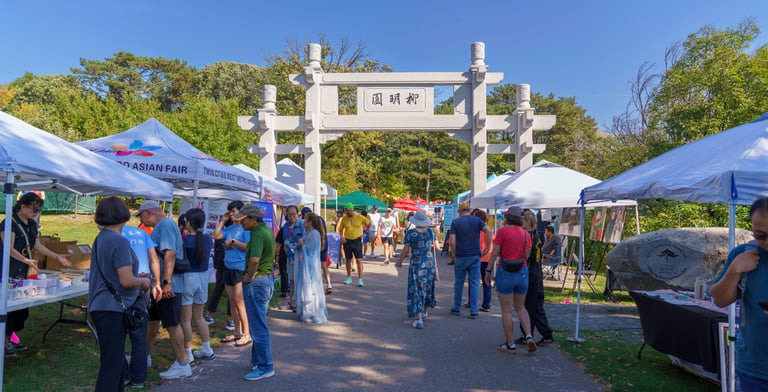
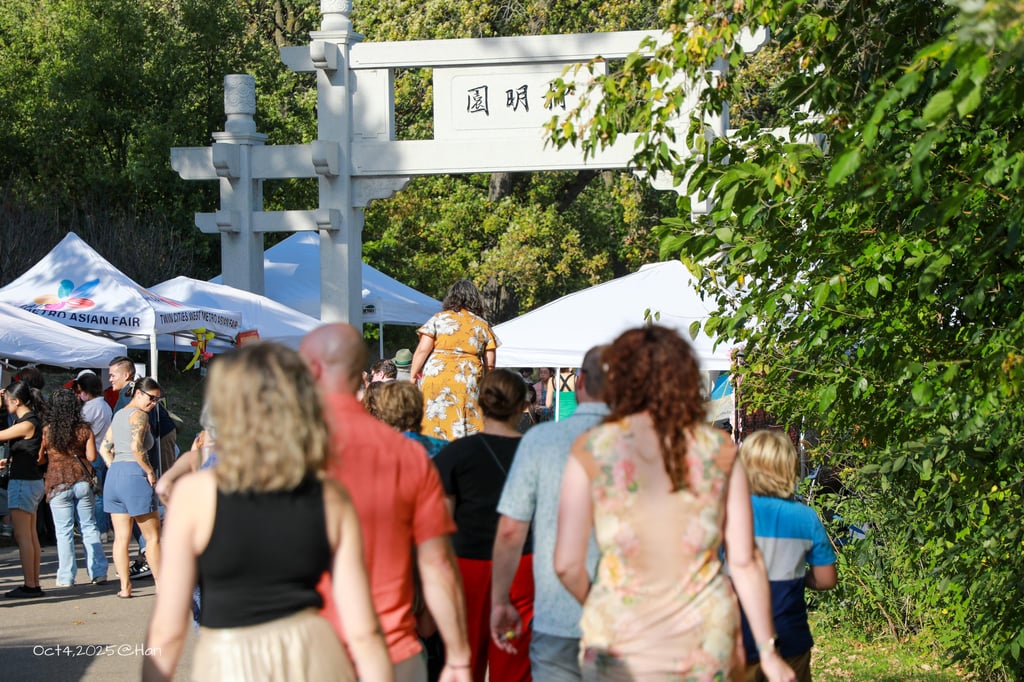
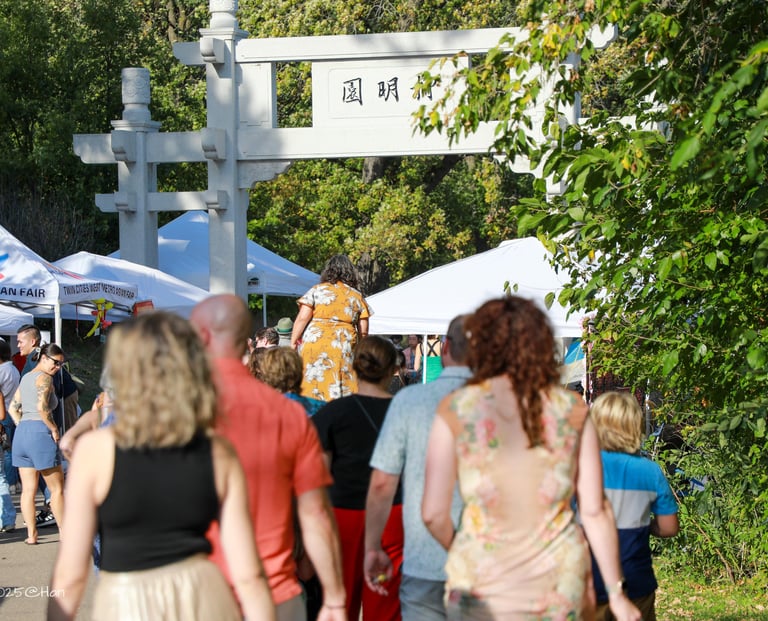
On Saturday, October 4th, hundreds of people gathered at the Minnesota China Friendship Garden in Phalen Regional Park for the 5th Annual Mid-Autumn Festival. Co-organized by the Minnesota China Friendship Garden Society and the Association of Sino-American Neocultural Exchange (ASANE), the Mid-Autumn Festival proved to be a large, lively, and colorful celebration of Chinese culture that was welcoming to all.
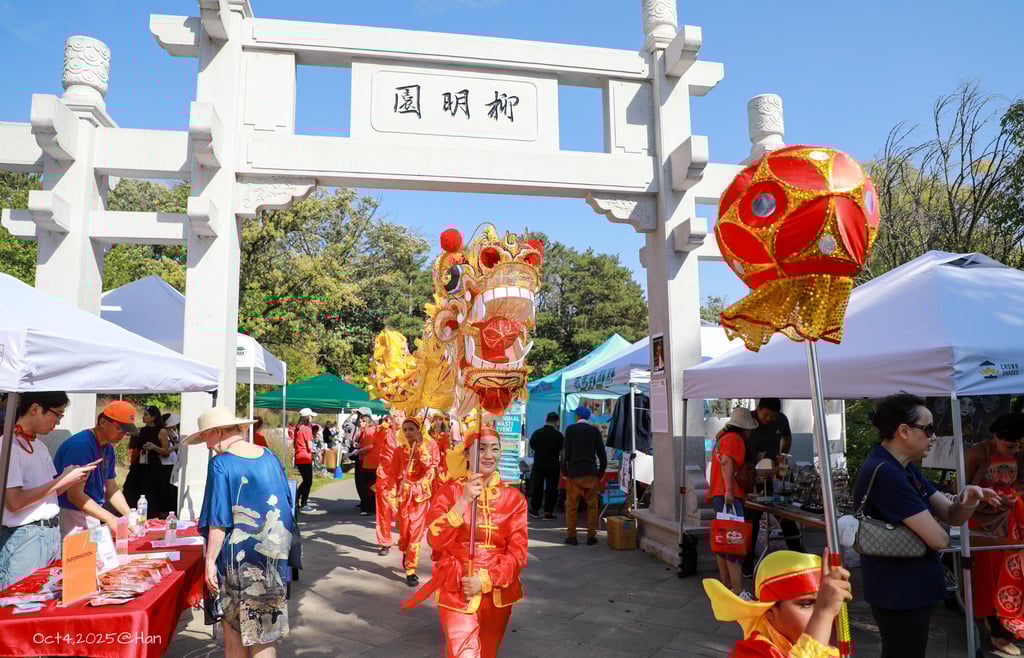
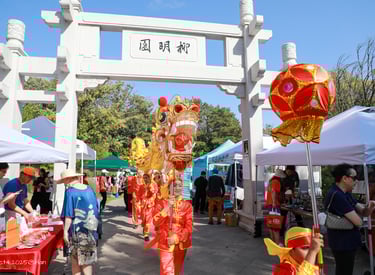
Attendees at the Mid-Autumn Festival in the Minnesota China Friendship Garden proudly continued this tradition with an array of performances, foods, vendors, a 5 K race, and volunteer activities. A strong lineup of singers and dancers took their turns on the central stage.
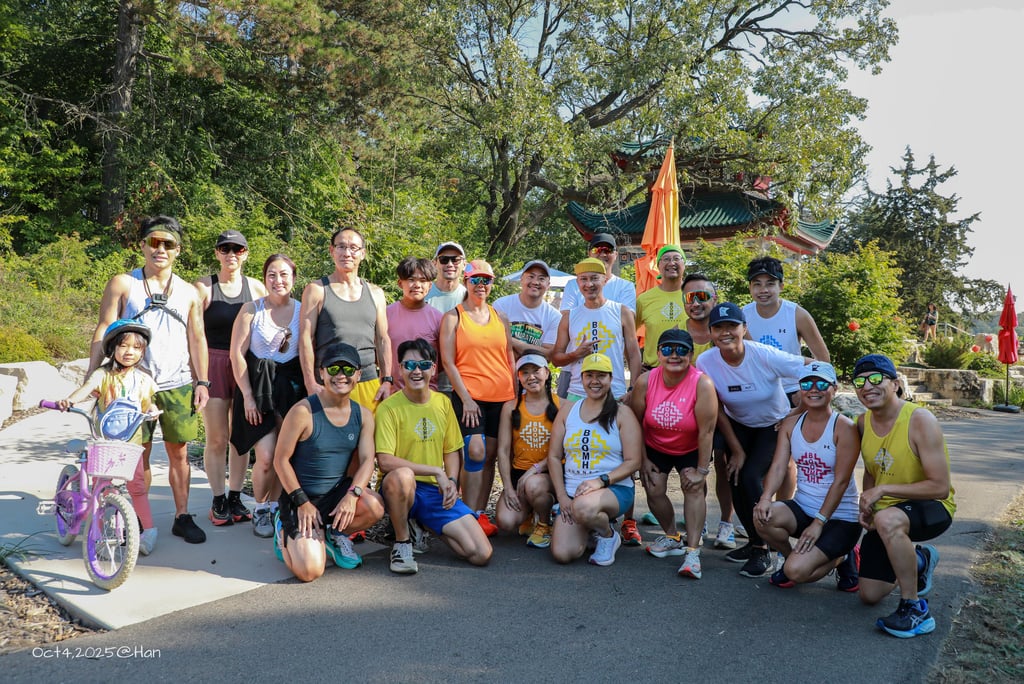
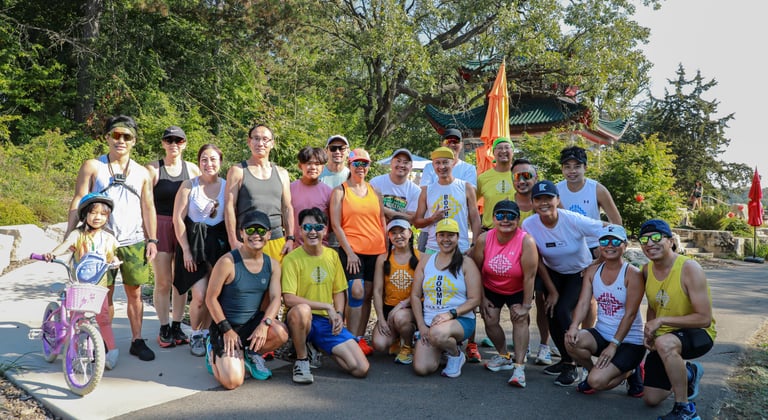
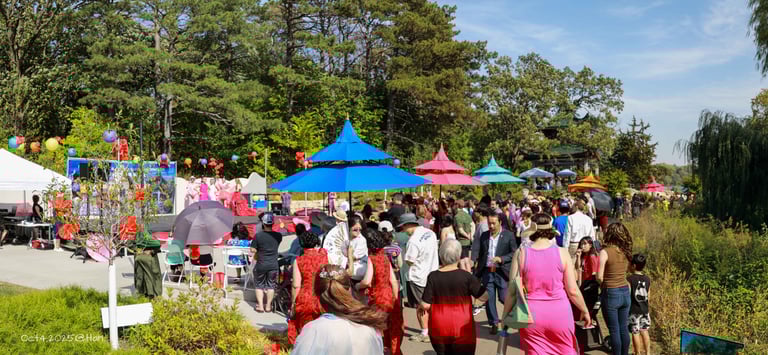
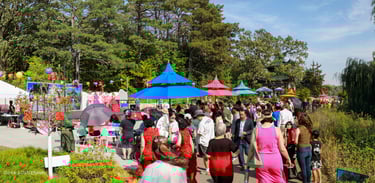
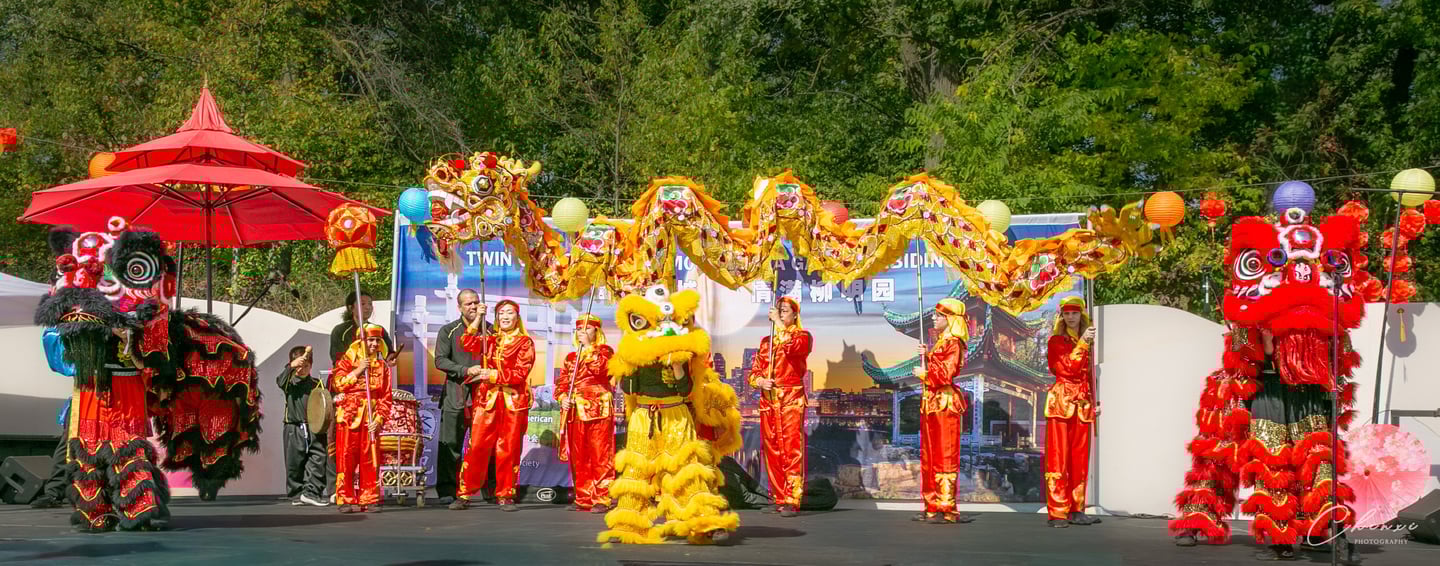
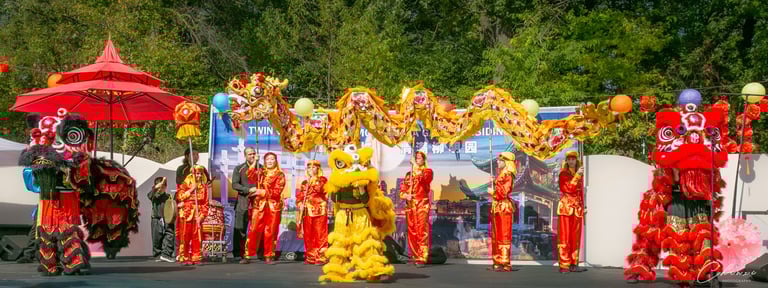
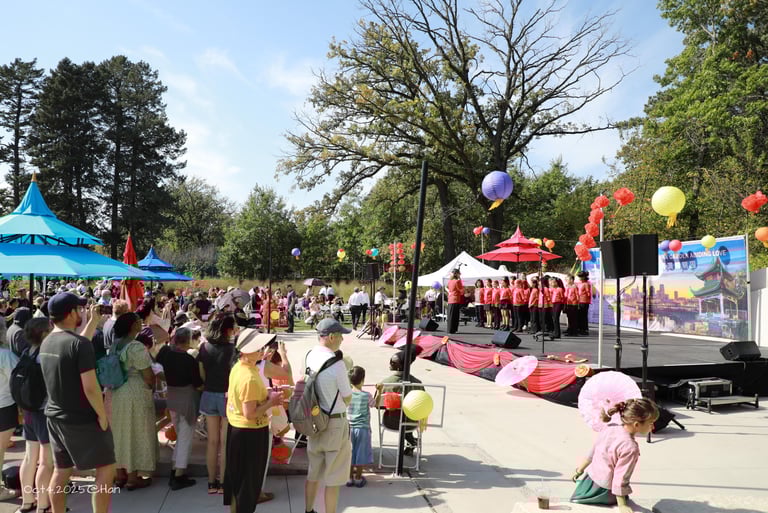
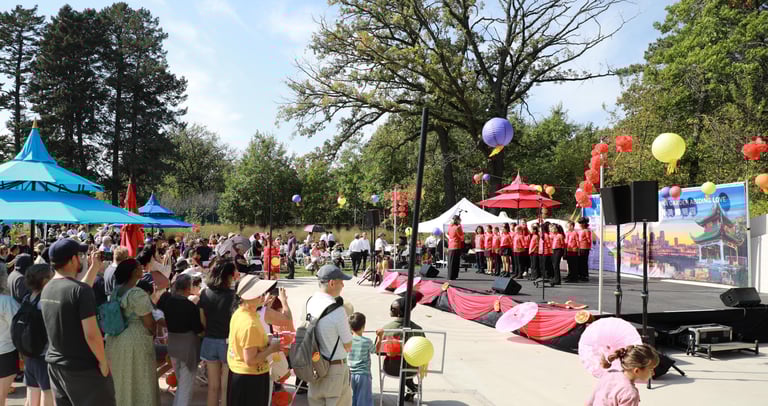
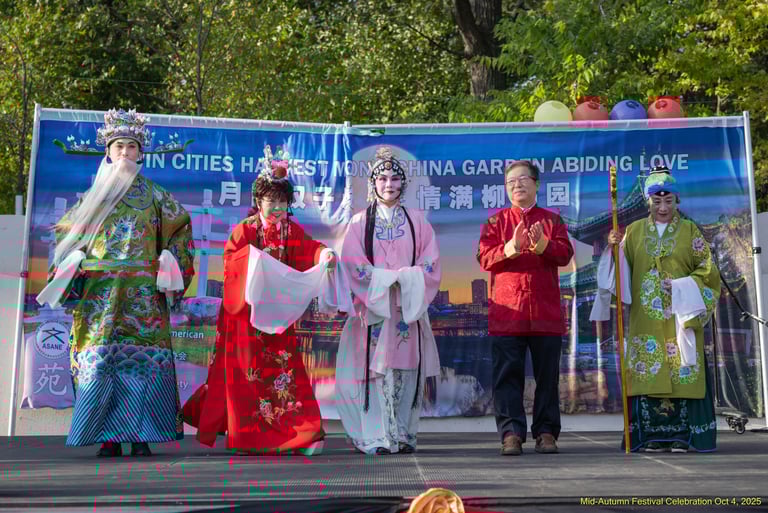
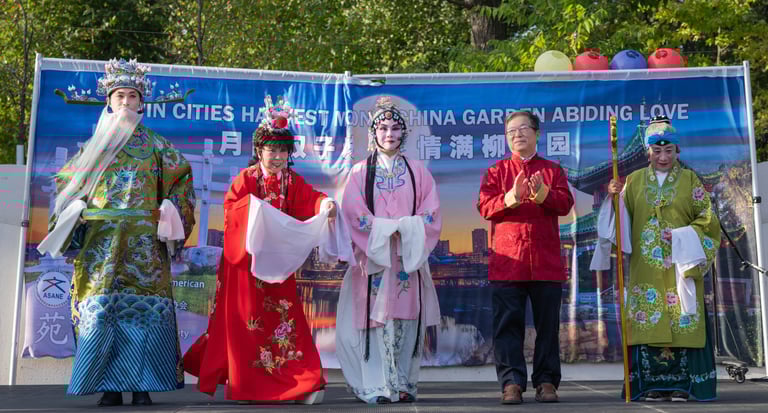
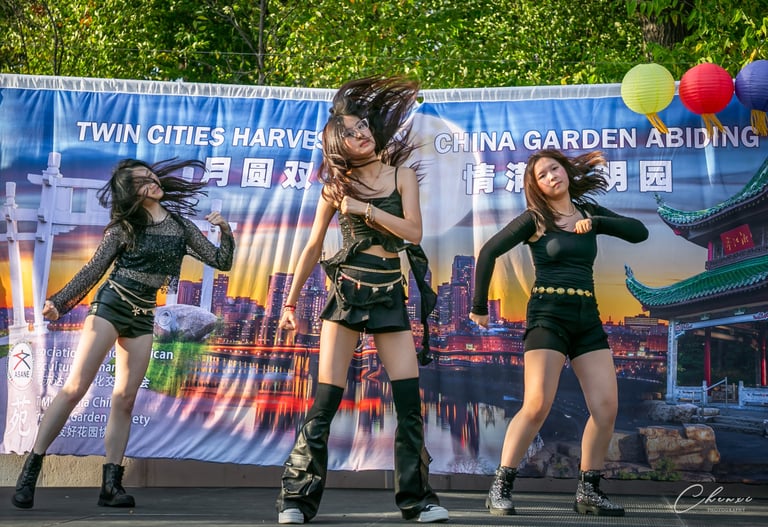
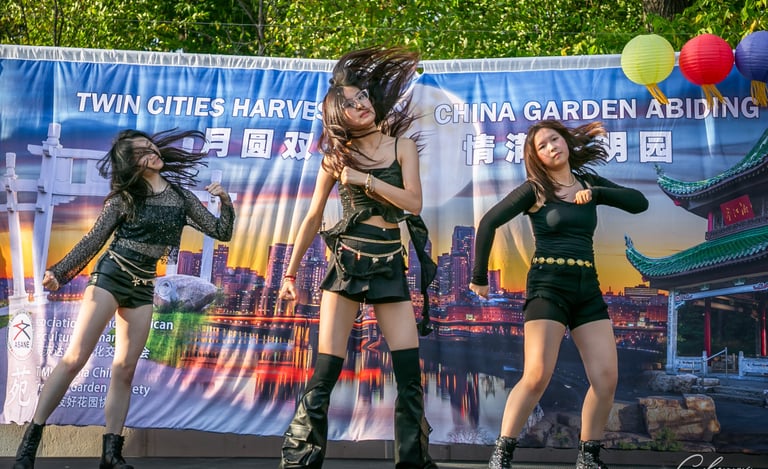
These included one singer who adorned herself in the traditional makeup that took more than one hour to apply. Her performance only lasted 10 minutes, but she made a greater impact by posing for photos with members of the crowd. Other performers provided more contemporary entertainment, such as the troupe that danced to one of the songs from the hit show K-Pop Demon Hunters.
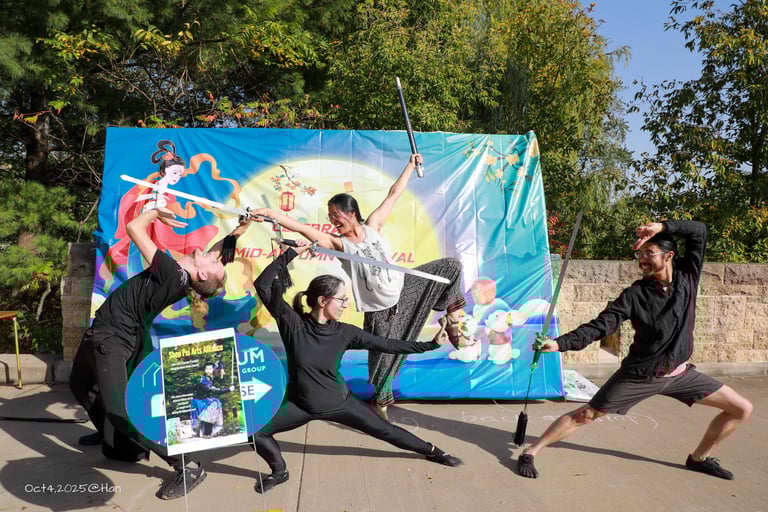
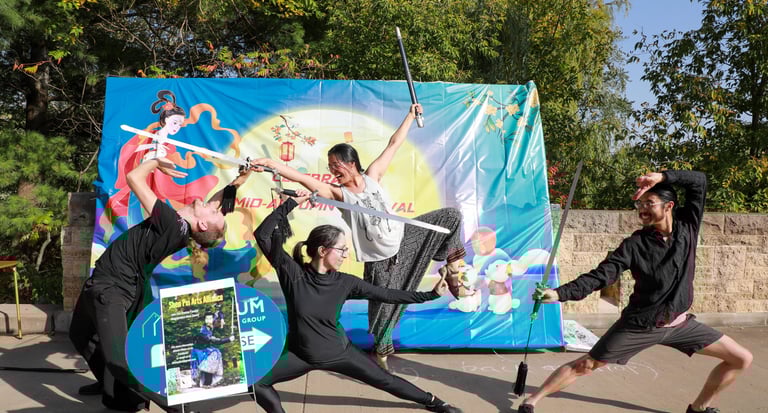
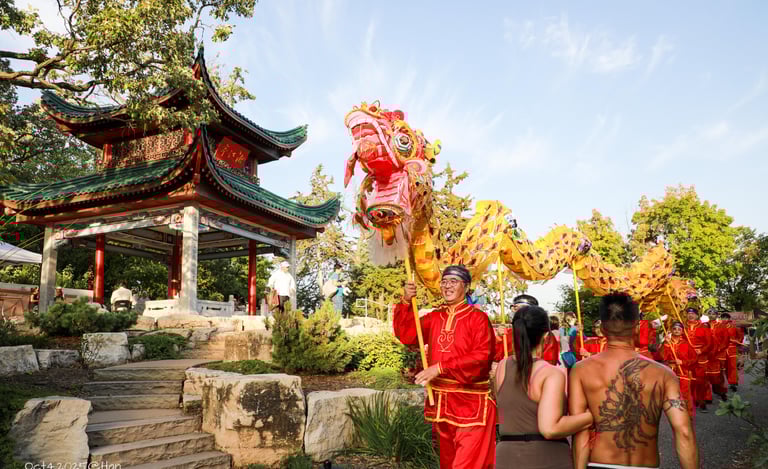
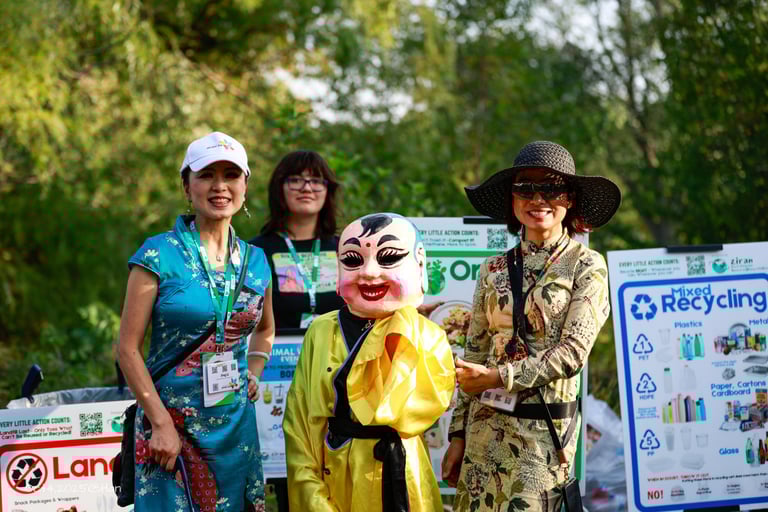
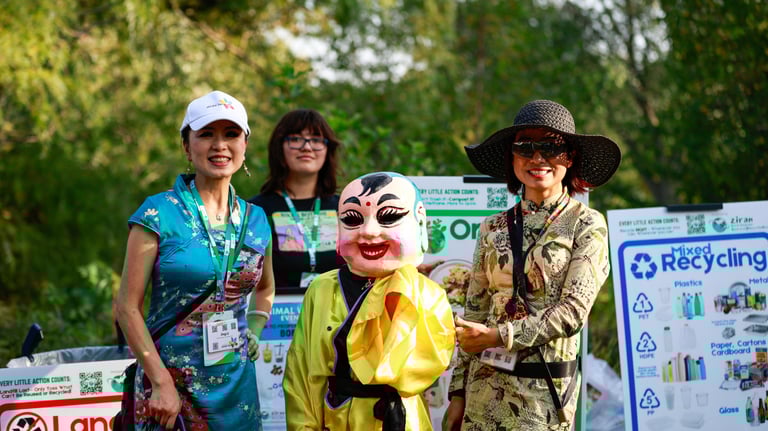
There were also performances offstage. One group performed a sword dance before offering to teach the children in attendance, albeit with plastic swords.
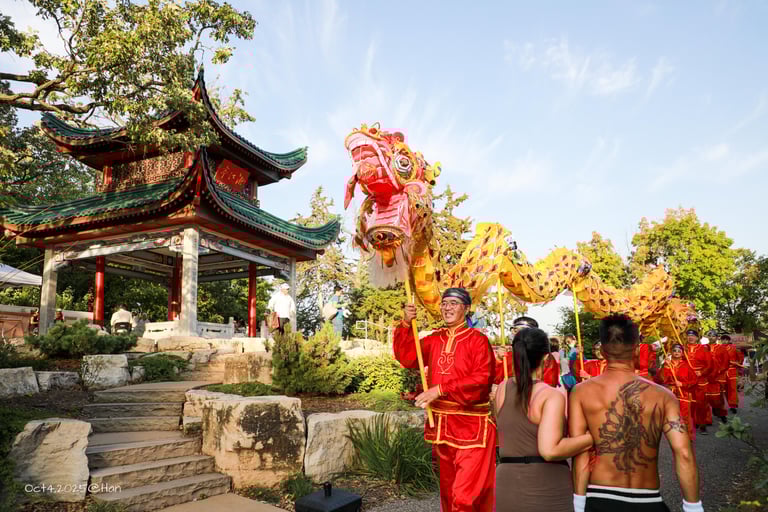
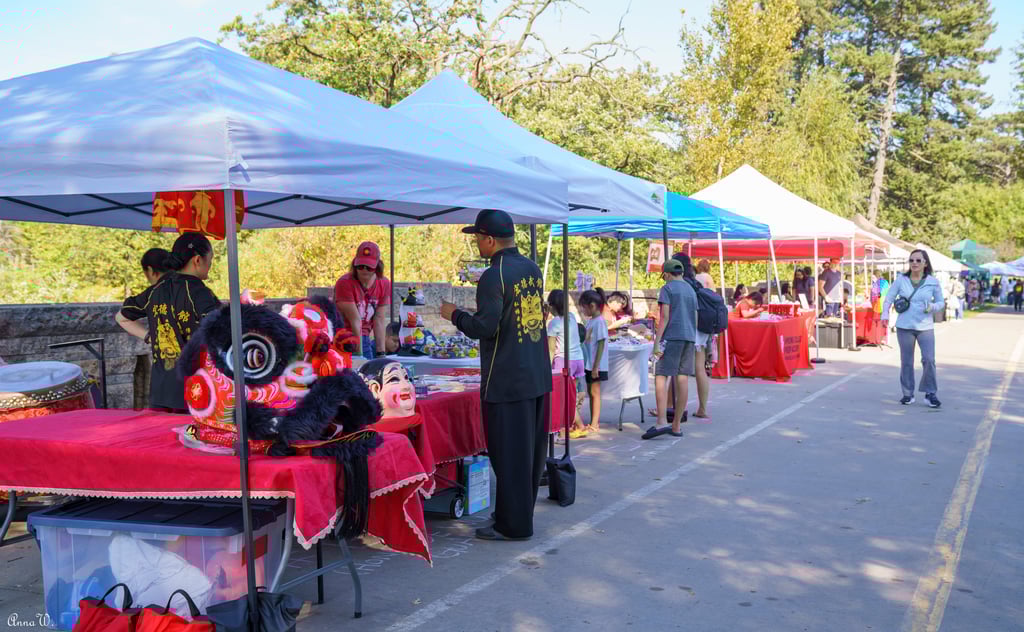
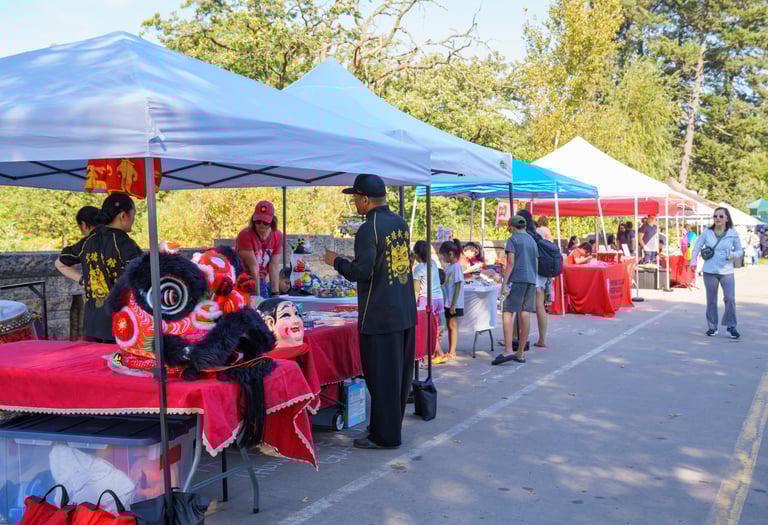
Another group performed a dragon dance with a long, golden dragon, and a smiling Buddha was also present, walking about and taking pictures with attendees. He represented a local lion dance troupe.
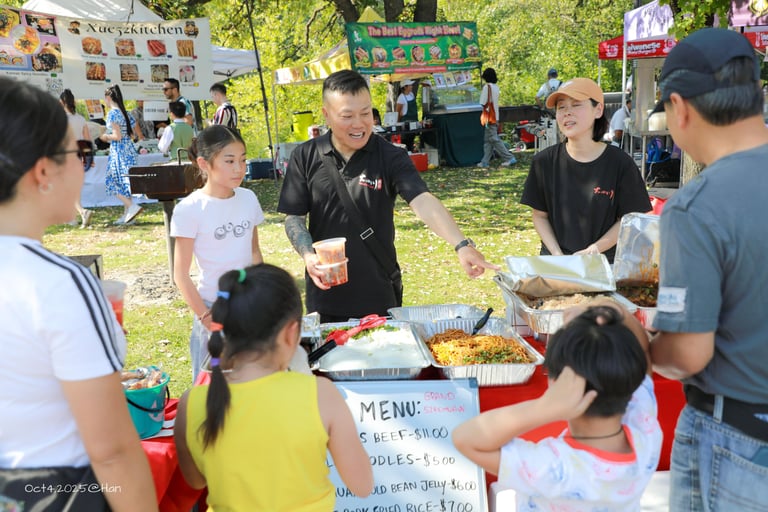
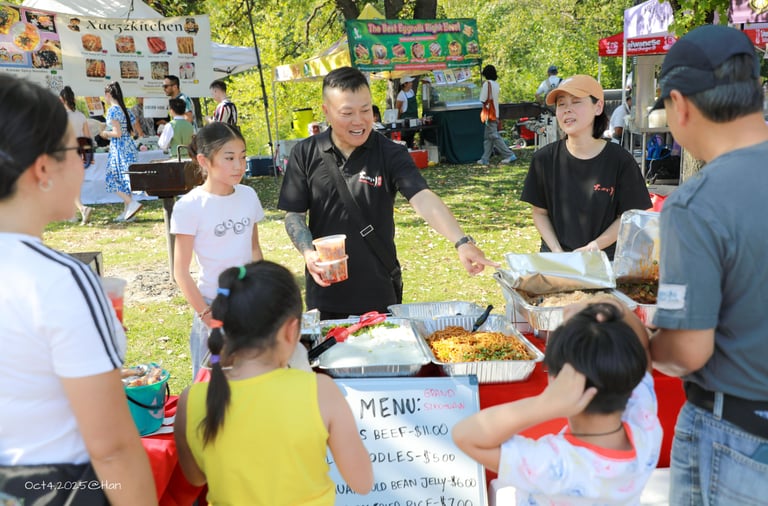
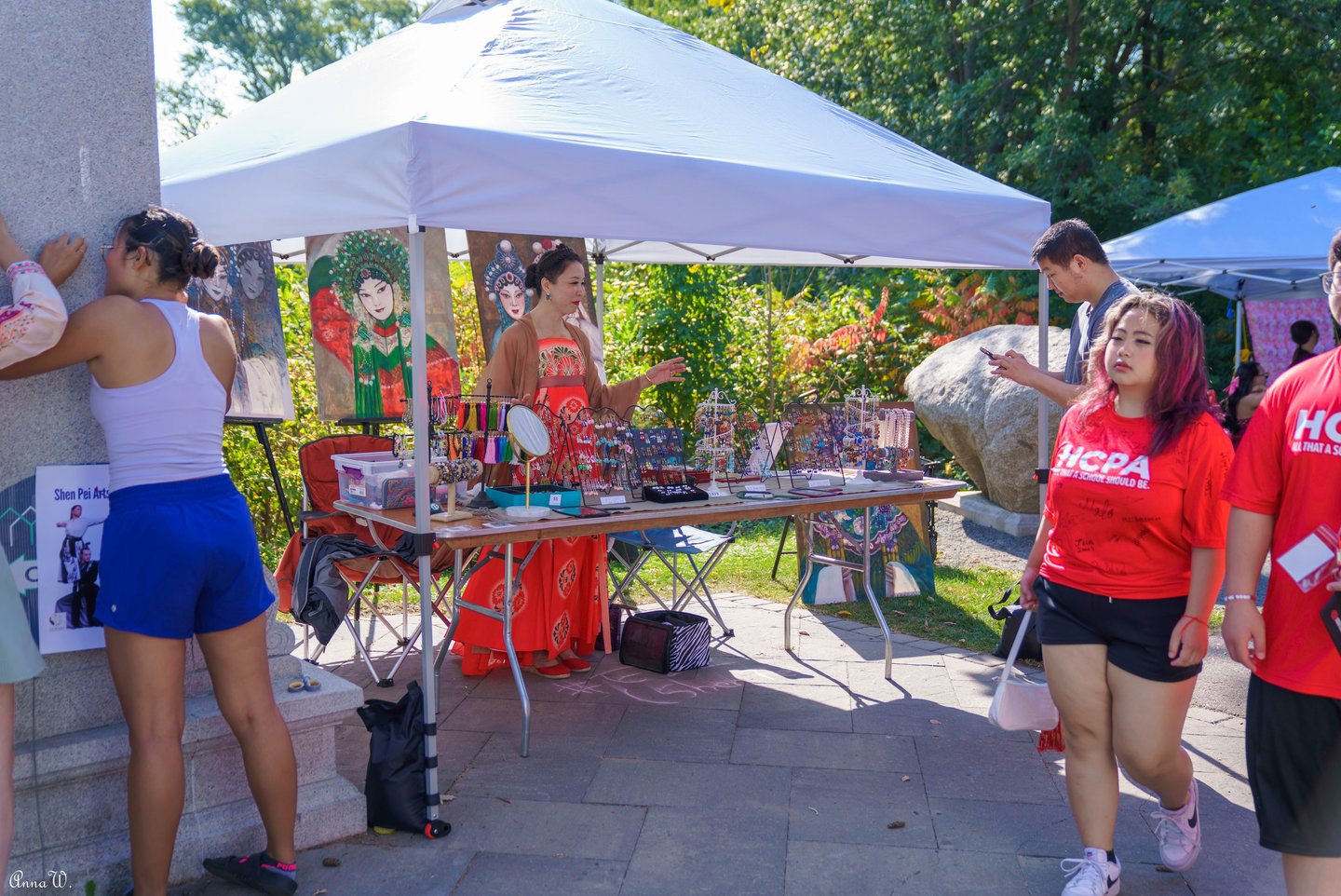
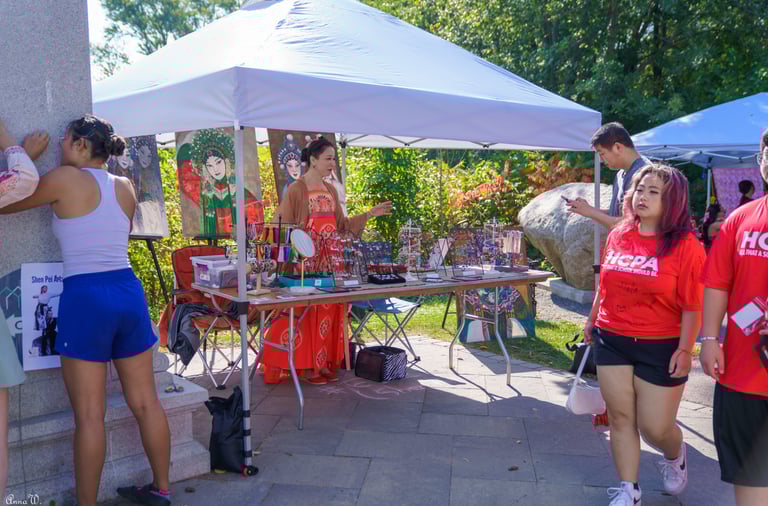
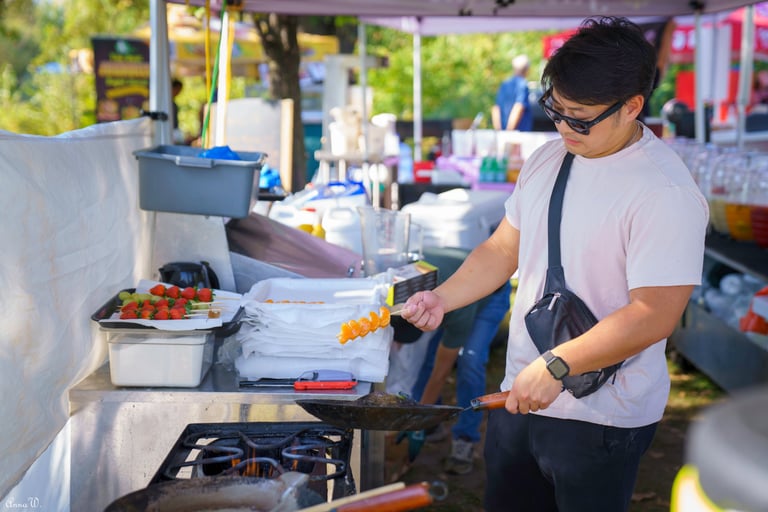
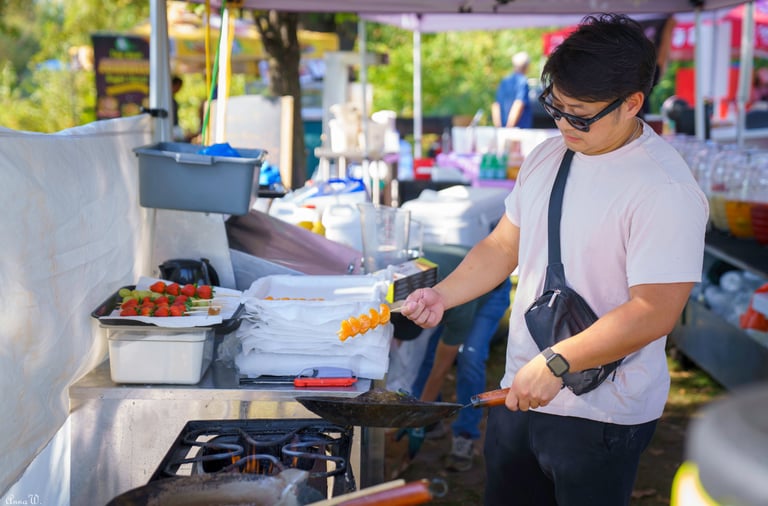
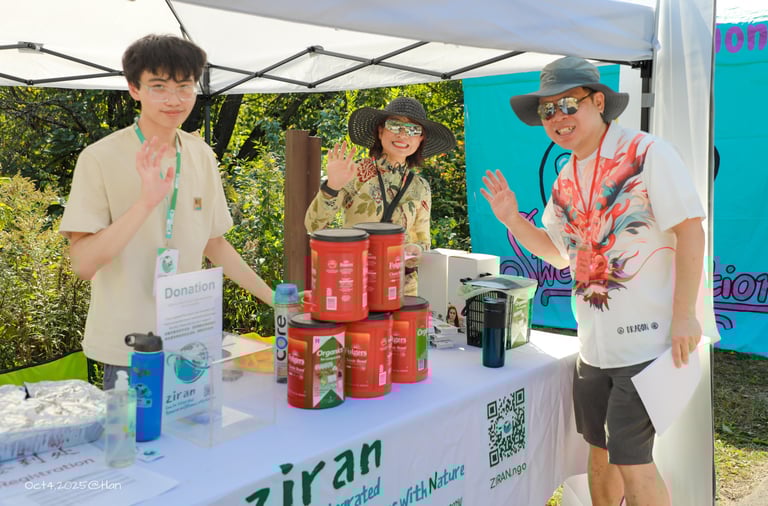
An array of food stands provided attendees with mooncakes and other traditional food, while other vendors showcased their crafts for sale. Representatives of the Minnesota Chinese Friendship Garden Society and other groups also tended their booths and greeted passersby with conversation and answers to their questions.
Maximize the celebration and minimize the environmental impact
If the Mid-Autumn Festival is a time for being thankful for all that we have received, it is also a time to think about what we can give in return. When we think about the year’s bounties and harvest, we can also think about caring for the earth that sustains us.
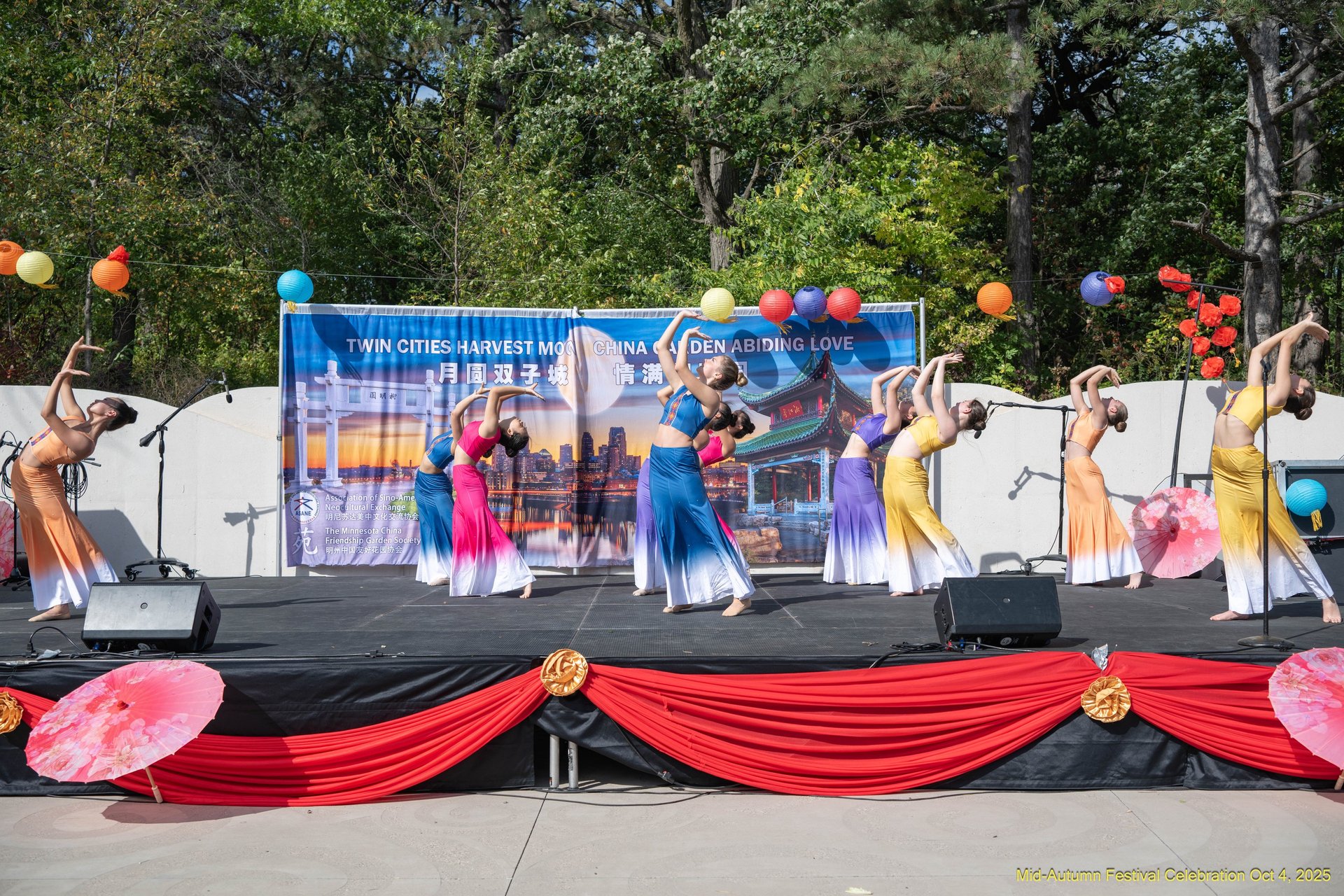
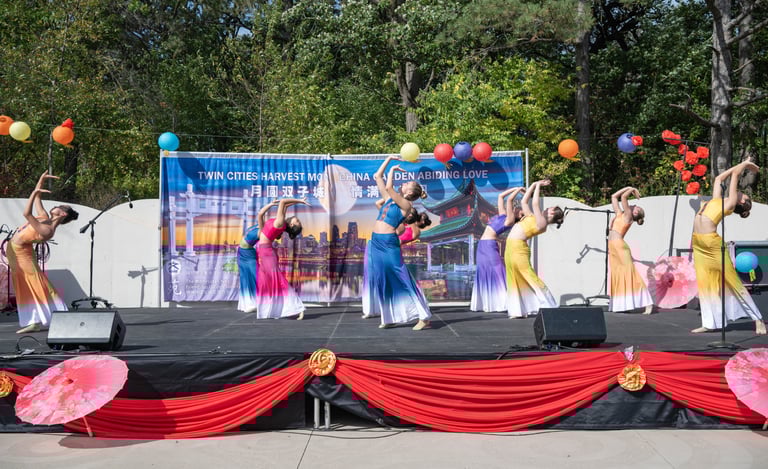
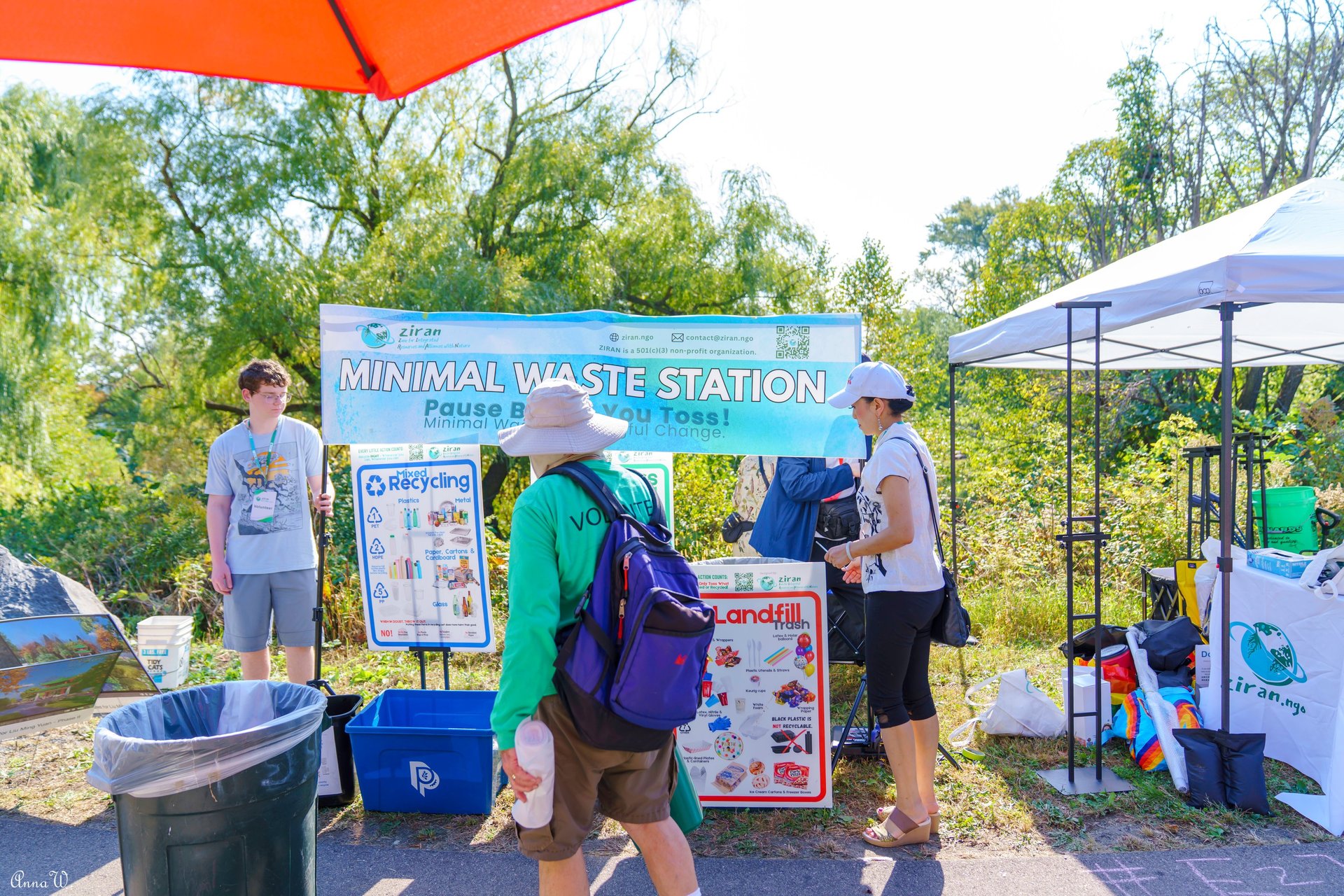
With hundreds of performers, vendors, volunteers, and attendees, the 5th Annual Mid-Autumn Festival was sure to leave an impact on the Minnesota Chinese Friendship Garden and Phalen Regional Park. However, the negative effects were greatly reduced by co-organizers ZIRAN and their small army of volunteers, who helped divert much of the waste that would have otherwise increased the burden on the nearby landfills.
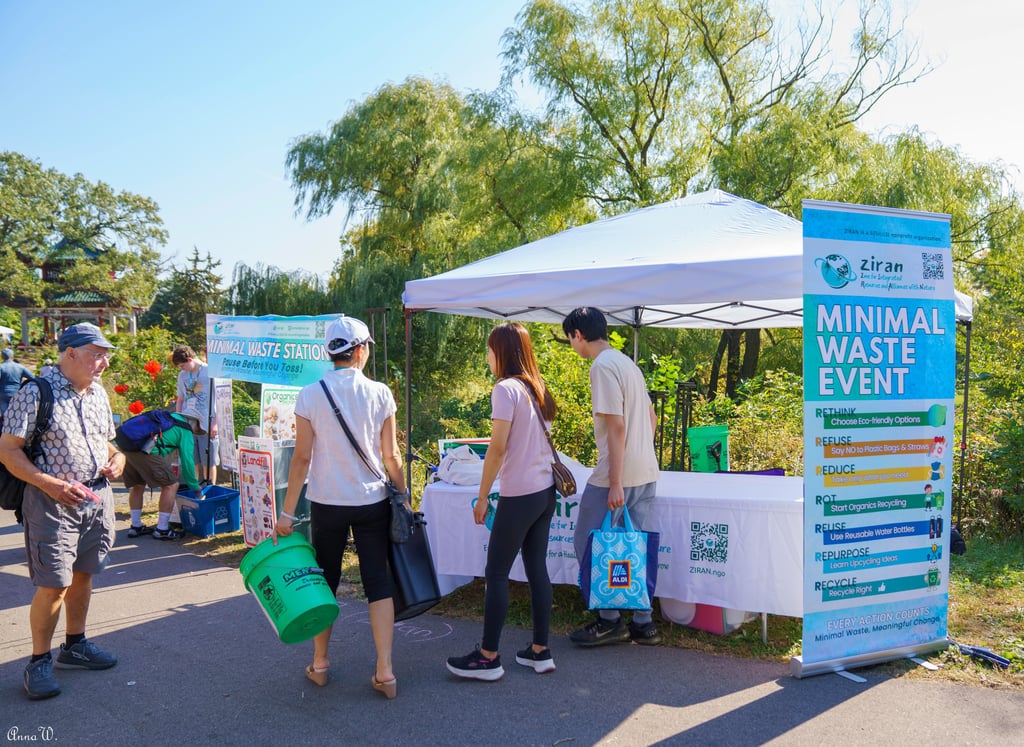
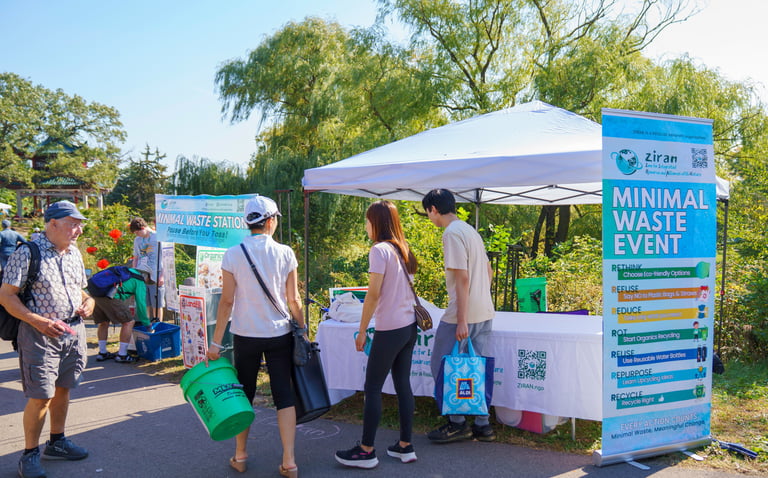
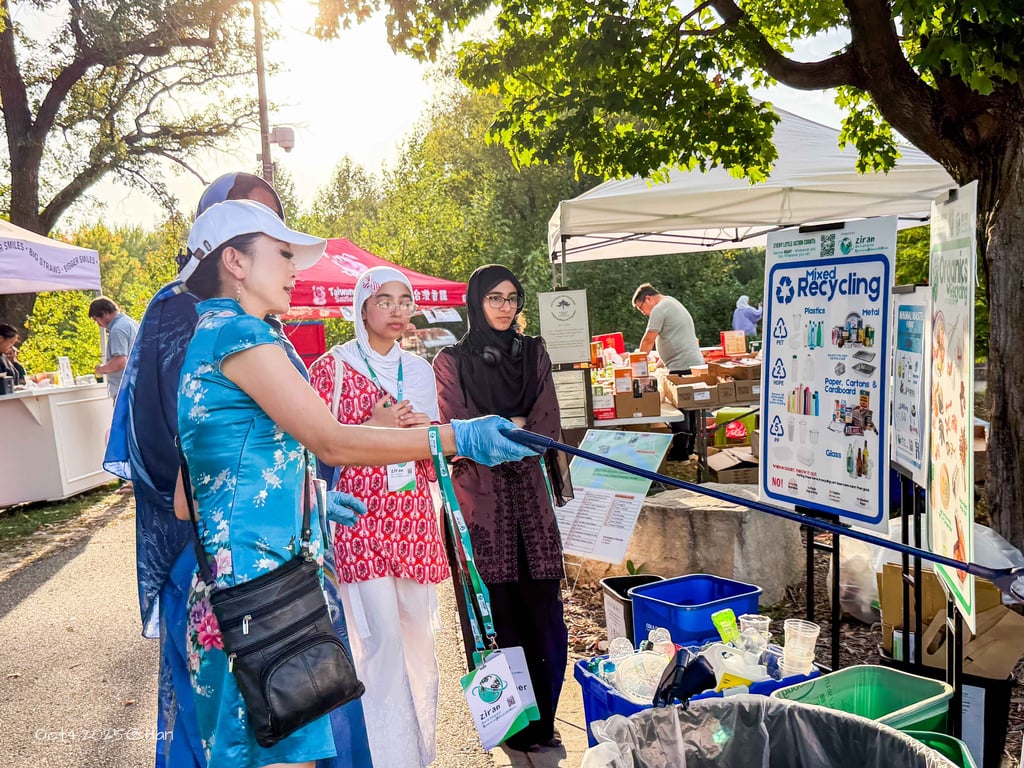
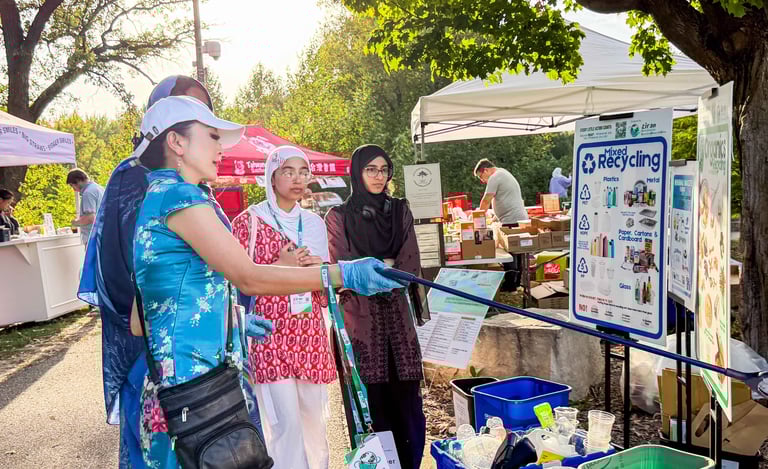
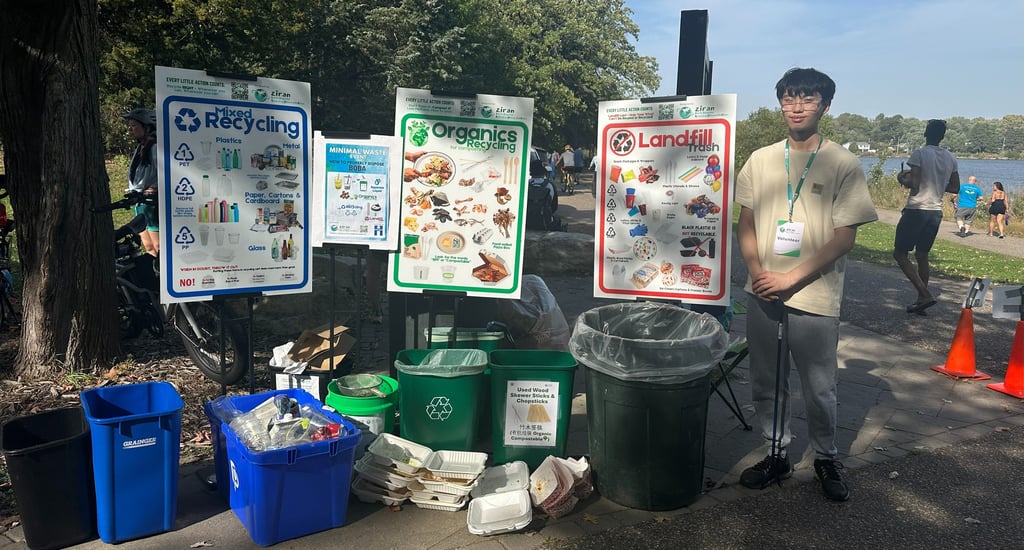
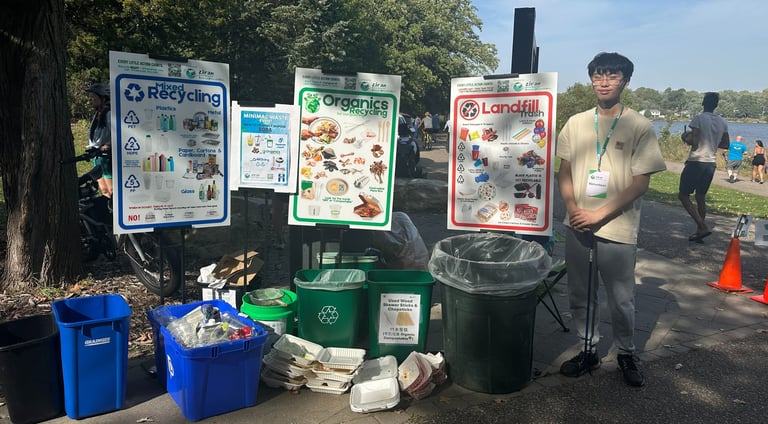
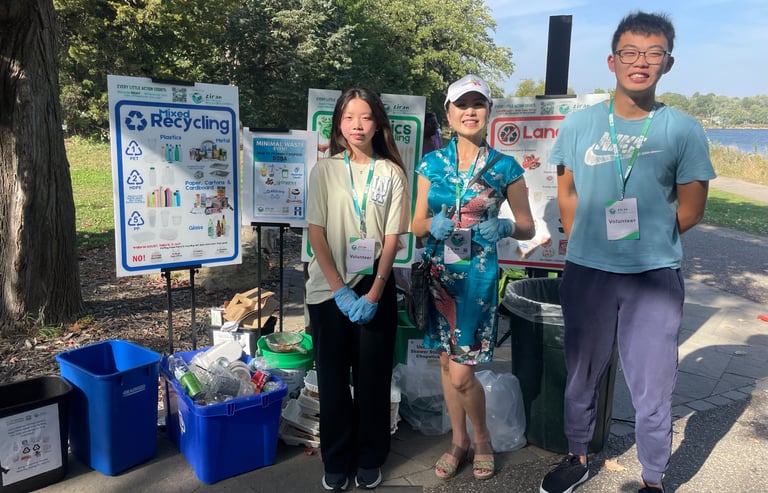
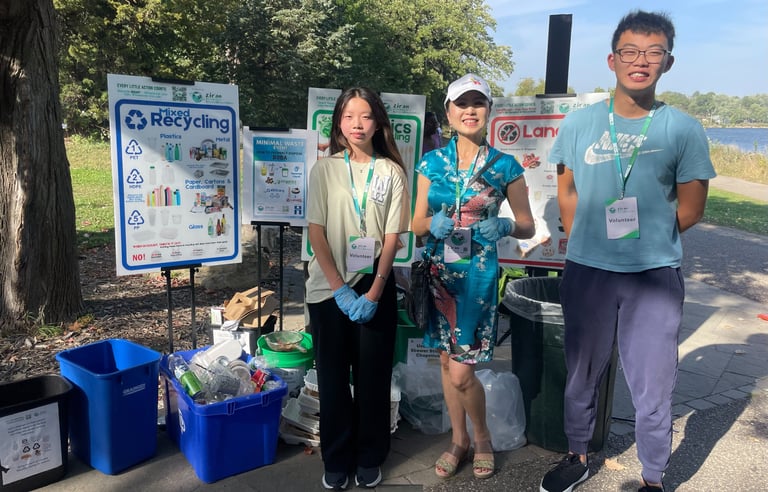
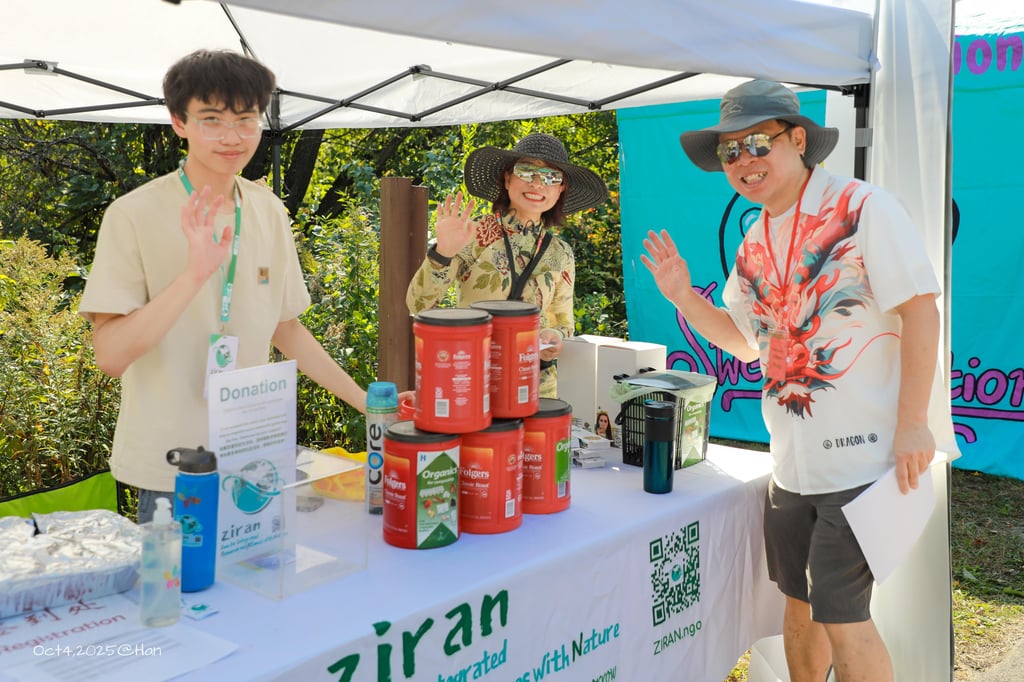
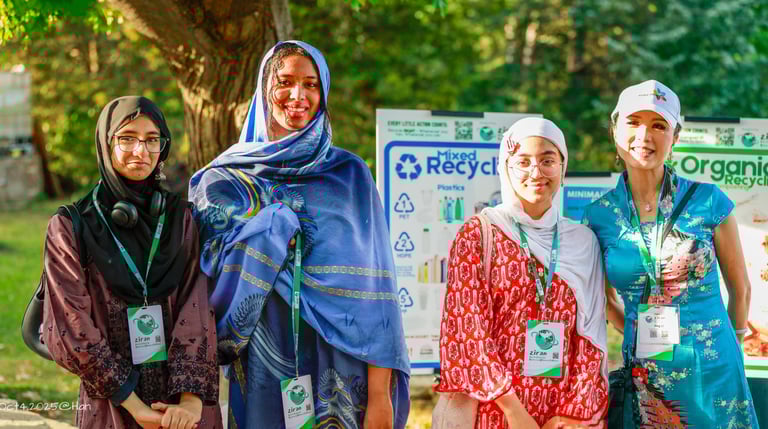
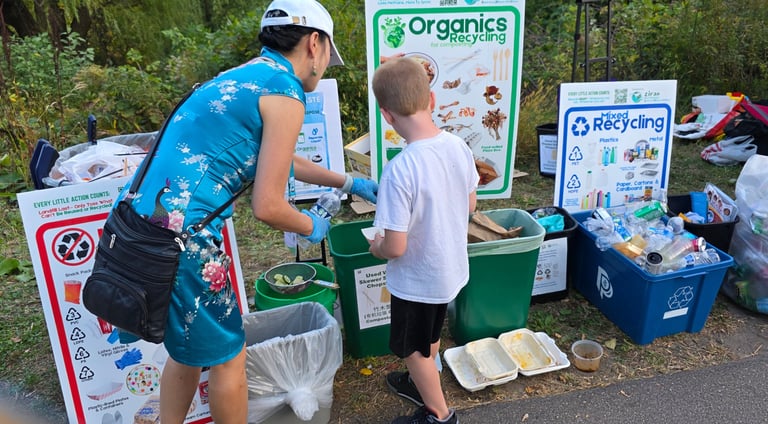
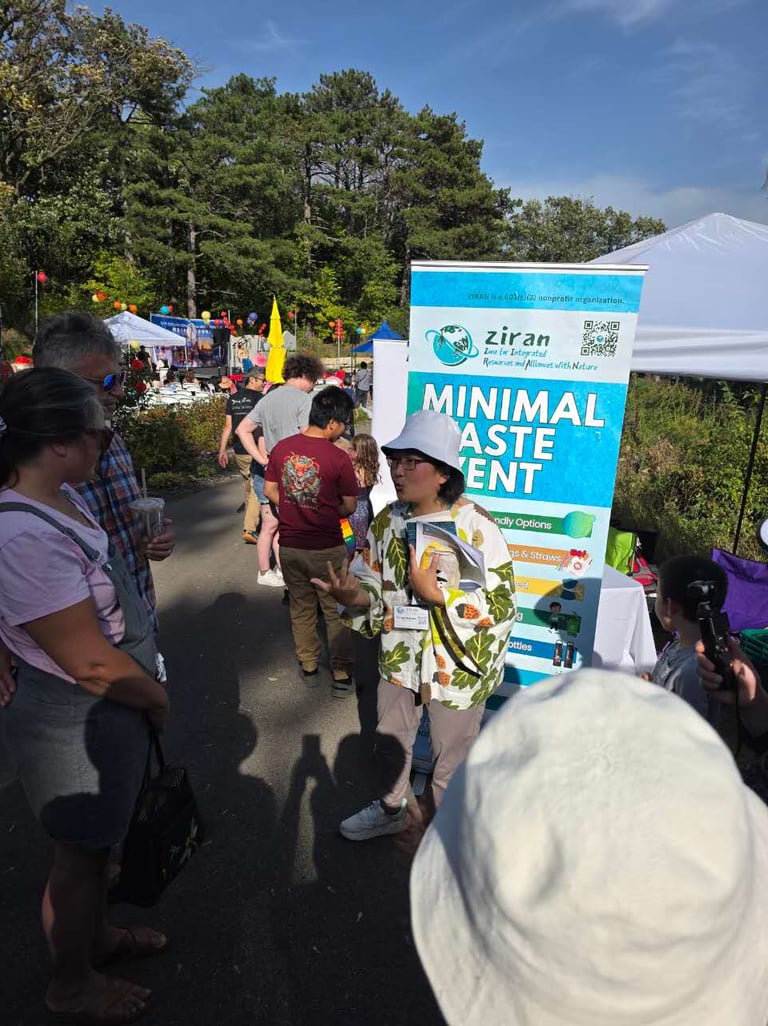
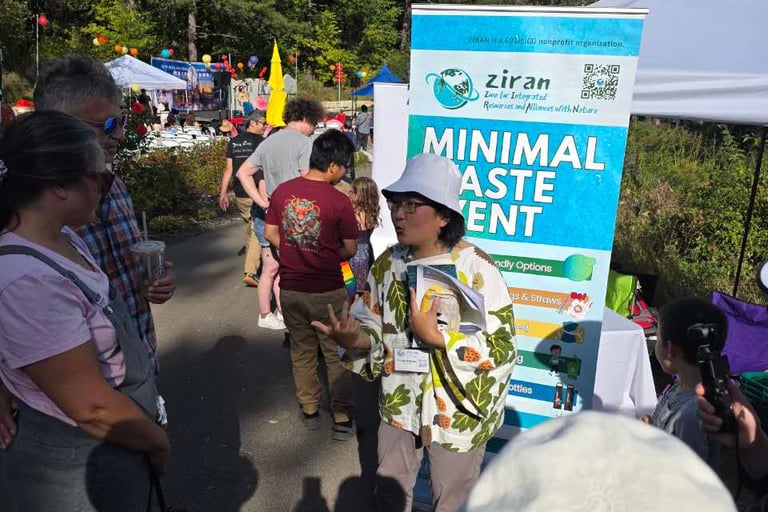
ZIRAN’s co-founders, Jing Li and Grace Li, set up two Minimal Waste Stations. These were positioned near the main stage and food vendors. Volunteers included several Rosemount high school students, a mother and daughter who had just moved to Minnesota from Japan, and a few community members. They helped festival attendees sort their waste into compost, recyclables, and landfill waste.
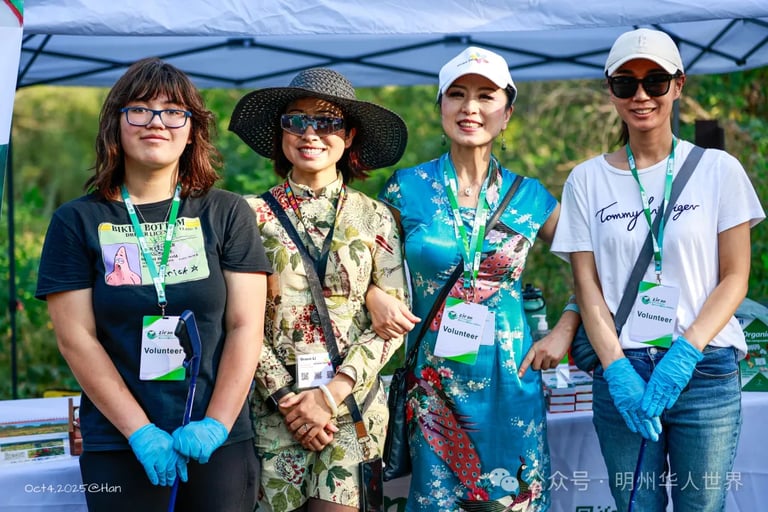
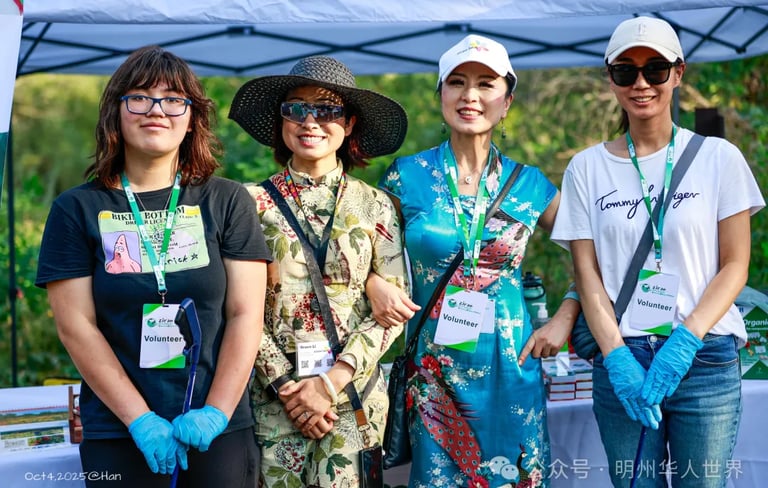
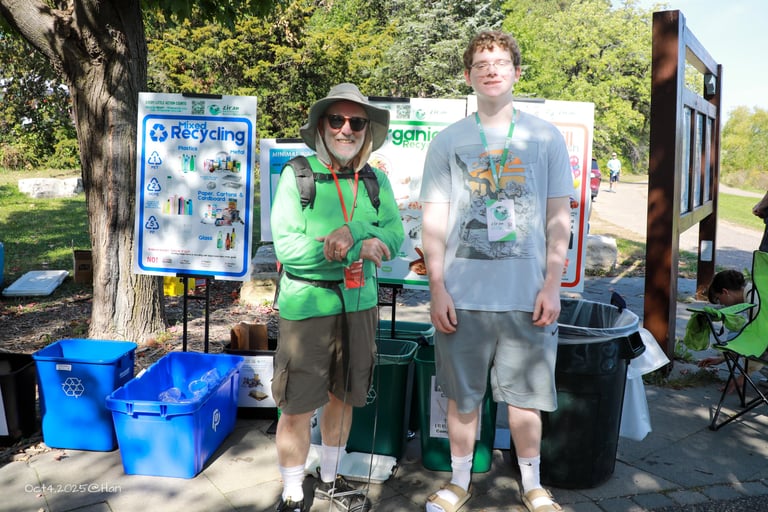
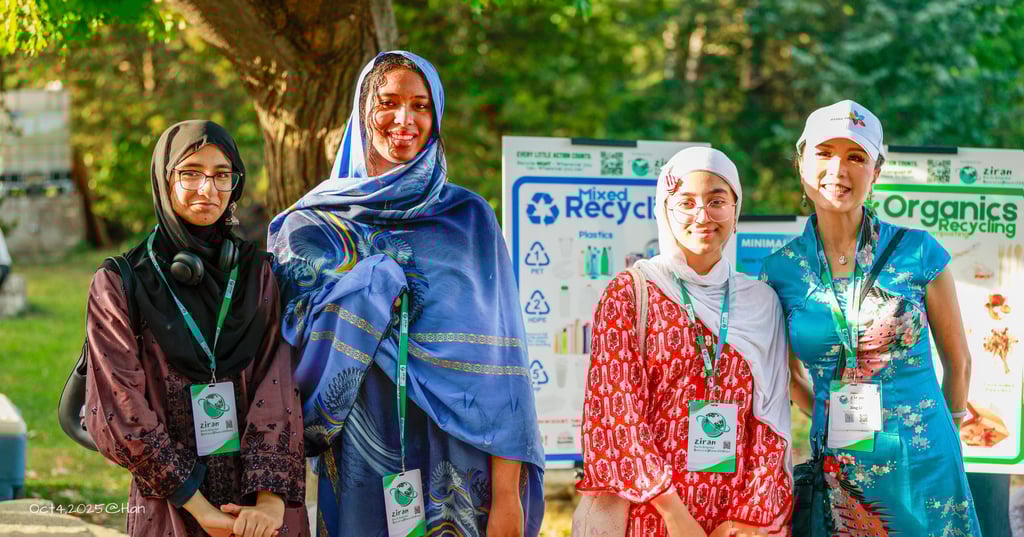
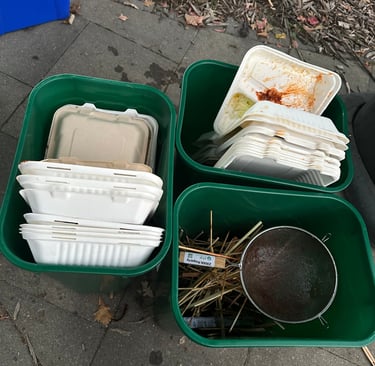
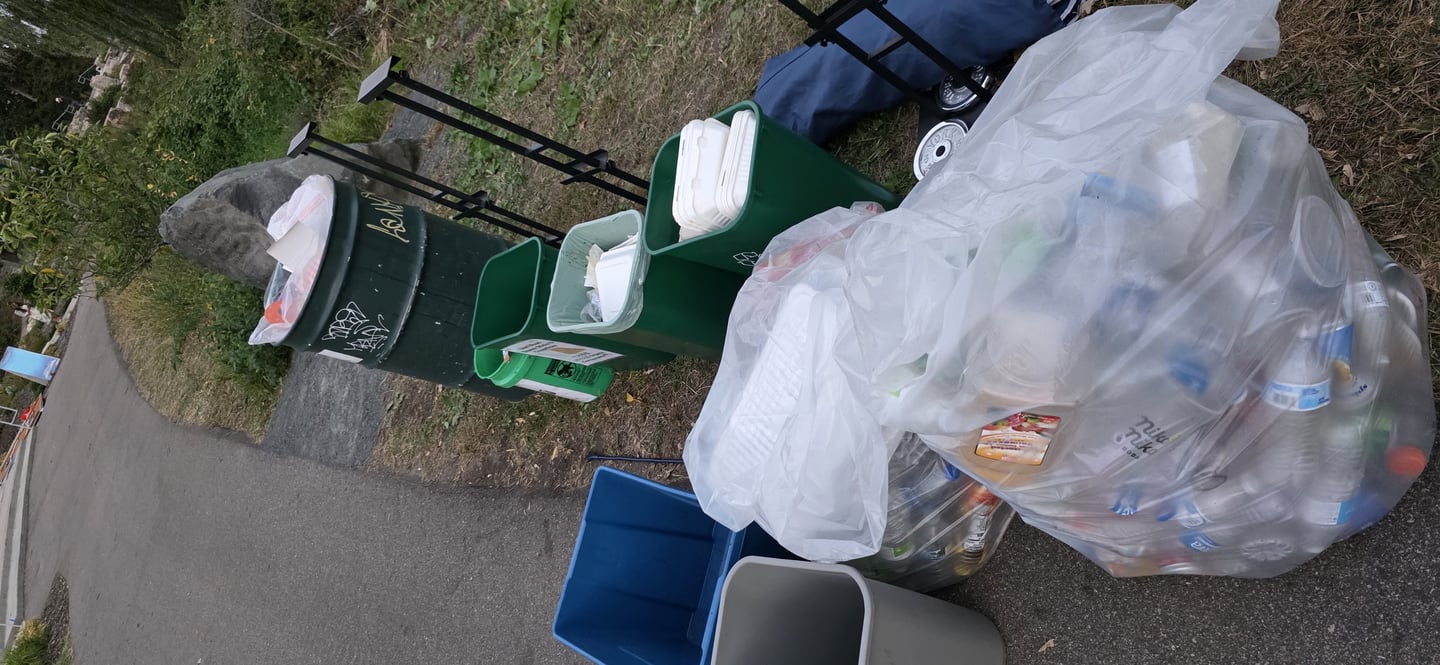
By the end of the day, ZIRAN and their volunteers helped attendees divert 10 bags of recyclable waste from going into the local landfill:
5 large bags of recyclables. These recyclable materials would have occupied even more space, but the volunteers thoughtfully stacked many of the recyclable cups and containers to save space.
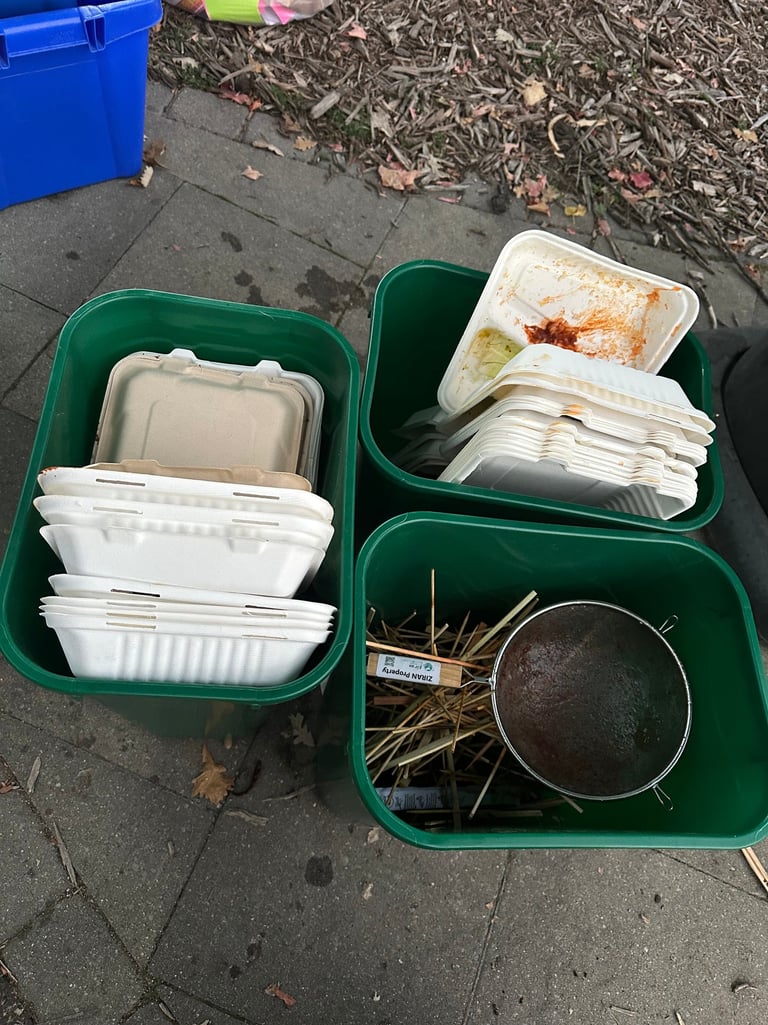
5 bags of compostables. Compostable food boxes were stacked in a fashion similar to the recyclable cups and containers.
These 10 bags of recyclable materials compared favorably to the 5 big bags of landfill waste, resulting in a recycling rate well above 60%.
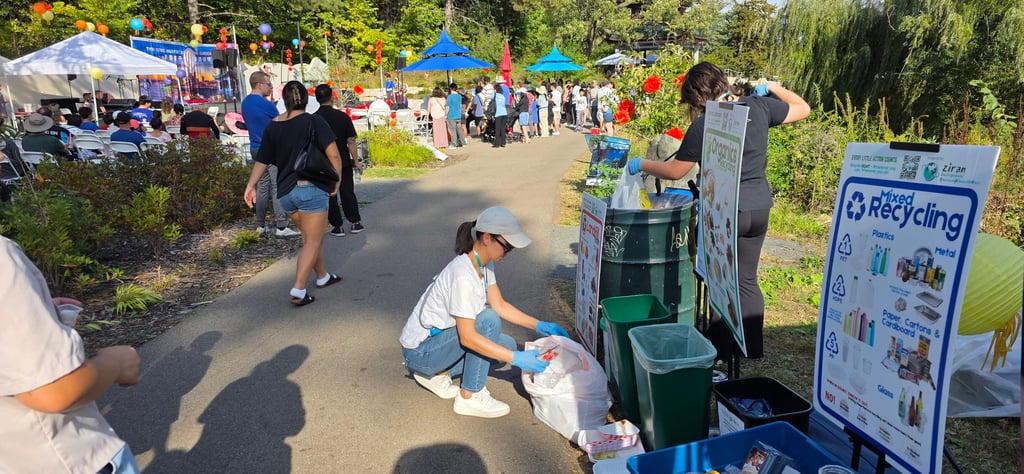
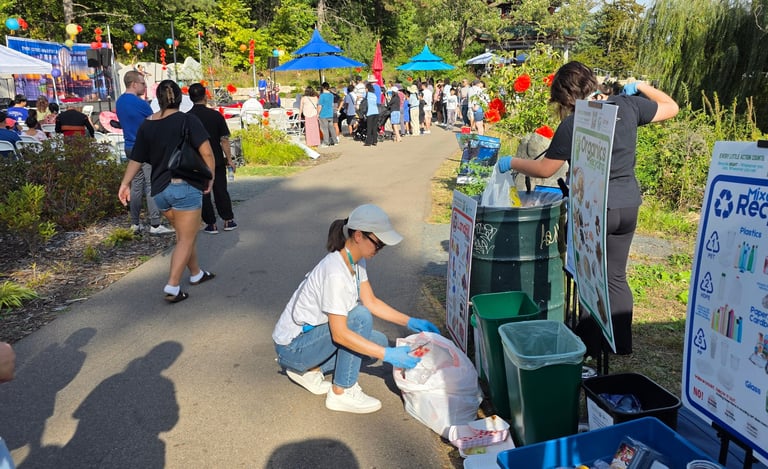
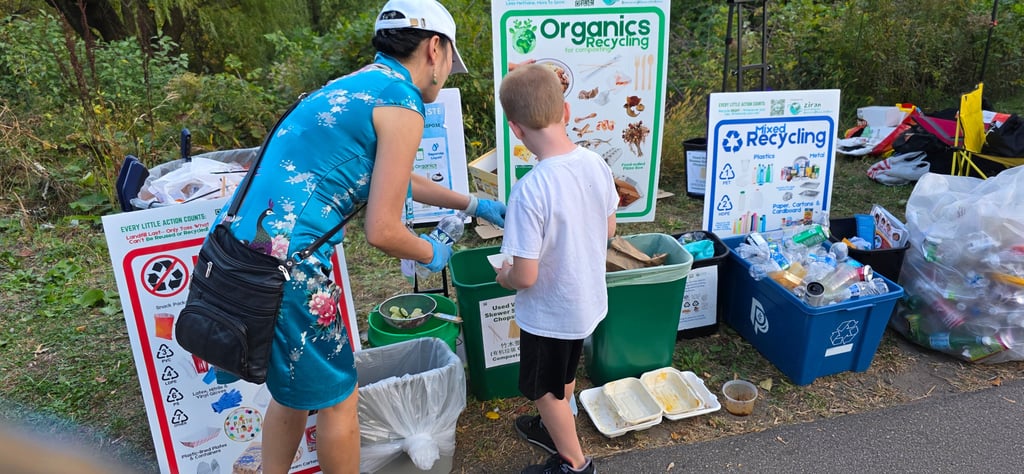
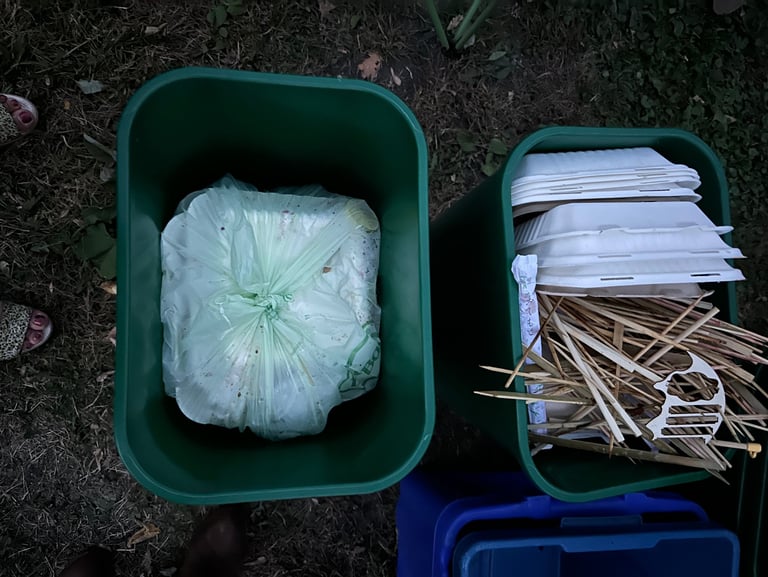
Because there was no recycling service available at Phalen Park (only one type of waste bin was provided), ZIRAN’s co-founders brought the organics waste back to their homes for city pickup, while Stuart, the Garden’s environmental ambassador, handled the regular mixed recyclables.
Even as these actions helped reduce the event’s environmental impact, there were other positive signs for future environmental stewardship. Several festival attendees stopped by ZIRAN’s booth to learn more about organics recycling and to express interest in volunteering at future events. ZIRAN’s representatives gratefully took the contact information of potential volunteers and informed those who asked about the development of organics recycling programs in Minneapolis, St. Paul, and throughout the Twin Cities.
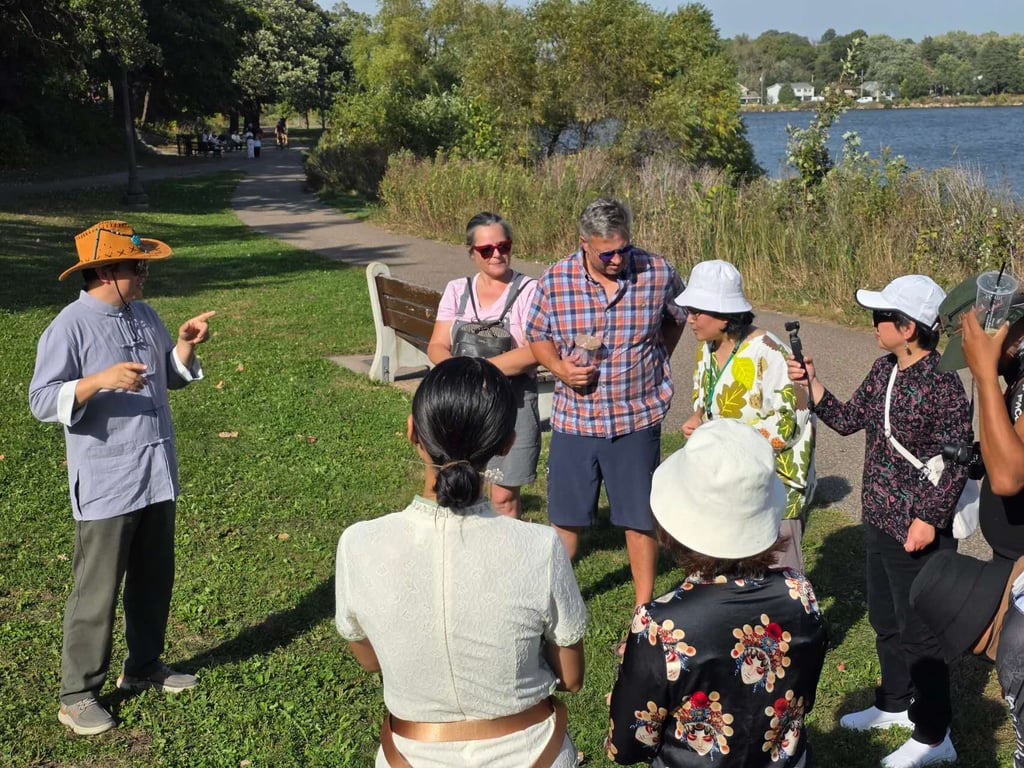
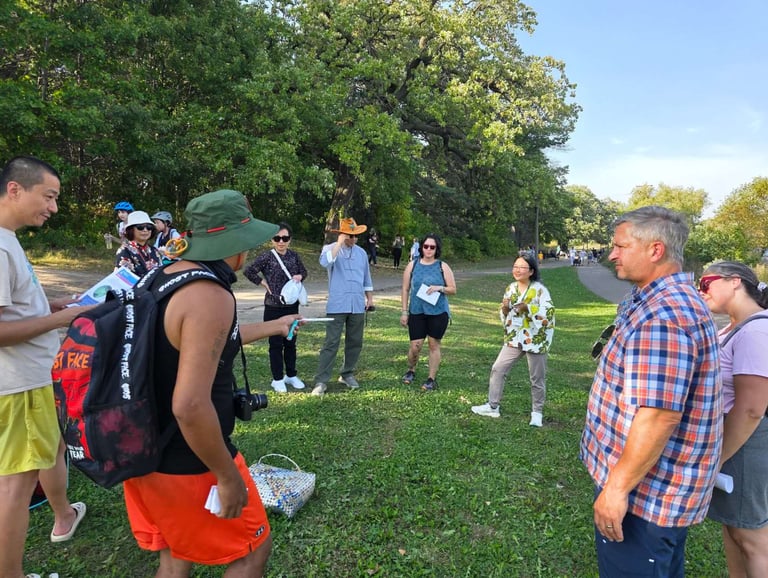
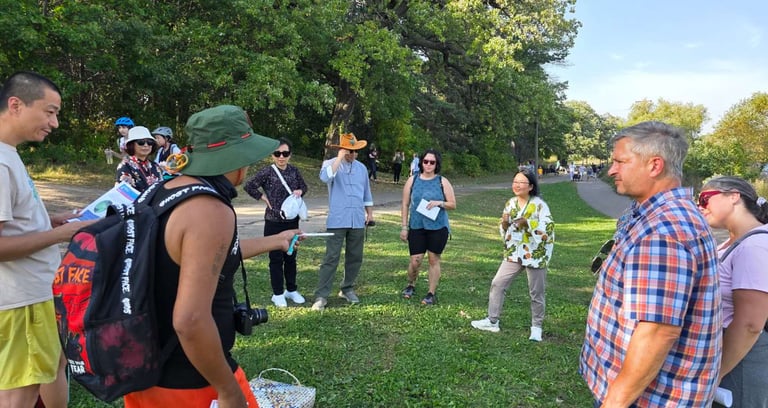
In the meantime, ZIRAN’s co-founder, Peng Nelson, collaborated with Dr. Yin and offered another Cultural and Nature Connection Plant walk.
This session focused on the connections between Lake Phalen and the Mississippi River, using storytelling to explore how water carries histories and memories. Drawing on the theory of water and its myths, Peng, a Land and Water Scholar, reminded us that water is a symbol of connection, transformation, and belonging. Through our stories, we reflected on how water shapes both communities and identities in continual motion.
Reflecting on the Mid-Autumn Festival
The 5th Annual Mid-Autumn Festival proved to be a warm and welcoming celebration of Chinese culture, shared with an untold number of local residents and attendees from outside the Chinese community.
At the end of the long day, after organizers tore down the last of their booths and the customary moon lanterns, participants had a chance to appreciate the warm and sunny day and reflect on what had worked well, as well as areas for improvement for the next festival.
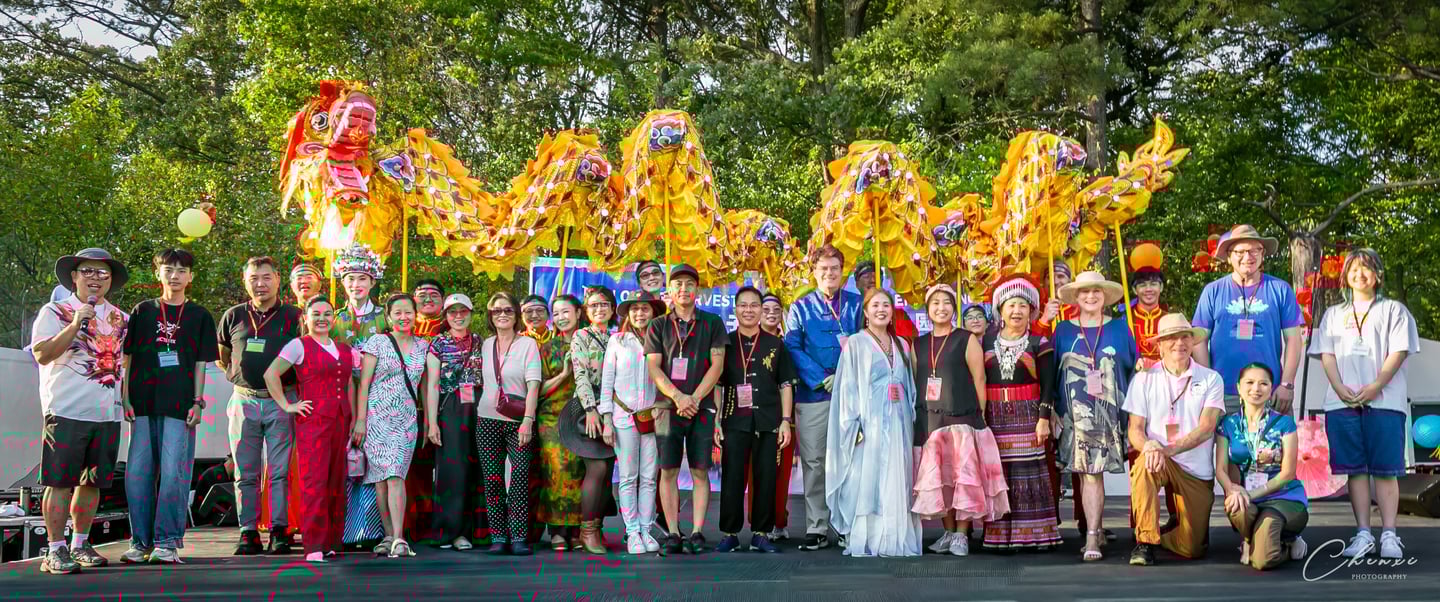
For ZIRAN’s co-founders, these reflections came with mixed emotions. They were deeply grateful for their volunteers’ tireless efforts, yet it was hard to overlook the trash bins outside the festival grounds, which were not part of the Minimal Waste stations. During the final cleanup, a park service vehicle drove past, carrying several large bags of unsorted waste that had not been properly separated into compost, recycling, and landfill. In stark contrast to the neatly sorted bags from ZIRAN’s Minimal Waste station, all the other trash, unfortunately, would end up in the landfill.
This served as a powerful reminder that individual actions, while meaningful, have their limits, and true lasting progress depends on both personal commitment and community-wide education. ZIRAN intends to learn from this experience and arrive at their next event even better prepared to help people express their thanks for the earth and its bounties through thoughtful stewardship and collective action.